<< Back
These 10 Houseplants Can Help Freshen Up Your Home
June 17, 2026
Winter means closed windows, sealed doors and a lot more time spent indoors.
But while keeping the cold air out can make your home more comfortable, it can also trap pollutants inside. Common household items like furniture, carpeting, paints, cleaning products and building materials can release chemicals into the air, including formaldehyde, xylene, toluene and trichloroethylene.
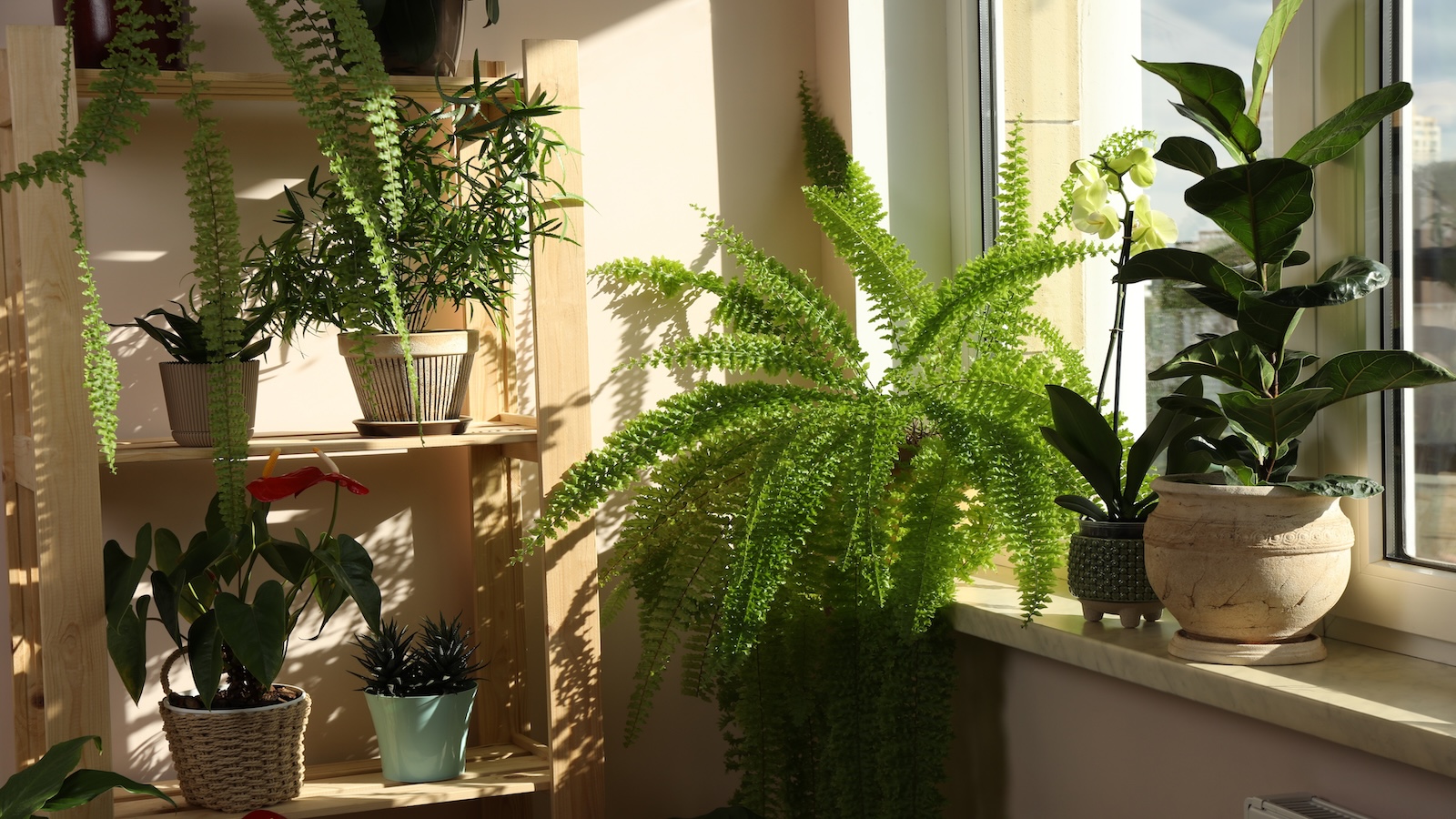
One simple way to freshen up your space? Air purifying houseplants.
“Indoor air quality can be affected by more than people realize, especially during the winter when homes are sealed up tightly,” says Christelle Nimba, APRN, a primary care provider with Hartford HealthCare Medical Group. “Houseplants won’t replace proper ventilation or air filtration, but they can be a simple way to bring more life, moisture and comfort into your home.”
NASA researchers famously explored how plants interact with indoor air quality, identifying several houseplants that may help remove common indoor pollutants. If you’re looking to add a few new air purifying houseplants to your home this winter, here are 10 worth considering.
1. Areca Palm
If your home feels dry during the winter, an Areca Palm can do double duty.
Not only is it often listed among the best air-purifying plants, but it also releases moisture into the air, which can help combat the dryness caused by indoor heating systems.
“Dry indoor air can irritate your throat, nose and skin,” Nimba says. “Plants that add moisture to the air may help make your space feel more comfortable, especially during the colder months.”
> Related: Are House Plants Good for Your Health?
2. Aloe Vera
Most people know Aloe Vera for its soothing gel, but it’s also a useful houseplant.
It’s easy to care for, doesn’t require much watering and may help remove certain indoor pollutants such as benzene and formaldehyde.
As a bonus, you’ll always have fresh aloe on hand for minor kitchen burns or skin irritation.
> Related: 5 After-Work Habits That Can Make or Break Your Health
3. English Ivy
English Ivy is often associated with the holidays, but it can earn a permanent place in your home.
Research has shown it may help reduce airborne mold particles and other pollutants, making it a popular choice for your bedroom, office or living space.
Just keep in mind that English Ivy can be toxic to pets if ingested.
“If you have pets or small children at home, it’s always important to check whether a plant is safe before bringing it inside,” Nimba says. “Some common houseplants can be harmful if they’re eaten.”
> Related: The Morning Stretch Routine Doctors Swear By
4. Dwarf Date Palm
Looking for something a little different?
The Dwarf Date Palm is known for helping remove pollutants such as xylene, which can be found in some household products and furnishings. At the same time, it brings a tropical feeling to your home when the weather outside is anything but tropical.
> Related: 7 Hobbies That Are Surprisingly Good for Your Health
5. Boston Fern
Boston Ferns have been around for generations – and for good reason.
These lush plants are known for helping remove formaldehyde while also adding moisture to dry indoor air. They require a bit more attention than some other houseplants, but they can be worth the effort.
> Related: Doing Nothing for Just 10 Minutes Has Real Health Benefits. Here’s Why.
6. Chinese Evergreen
Not everyone has a sunny home filled with natural light.
No worries – the Chinese Evergreen shines in lower-light conditions while still offering many of the benefits people look for in indoor plants.
It’s also one of the easier plants to maintain, making it a good option for beginners.
“A plant doesn’t have to be high-maintenance to be helpful,” Nimba says. “For many people, the best plant is one they can realistically care for.”
7. Peace Lily
Few houseplants are as popular as the Peace Lily.
Its dark green leaves and white blooms make it attractive, but it has also been recognized for helping remove certain indoor pollutants and mold spores. The added humidity it releases may also help ease some of the dry-air discomfort that comes with winter heating.
Just be careful if you have pets, since Peace Lilies can be toxic if ingested.
> Related: The 4-Step Morning Routine That Can Change Your Whole Day
8. Spider Plant
Are you struggling to keep a plant alive?
The Spider Plant may be your new best friend. It’s one of the easiest houseplants to care for and has long been recognized for its ability to help filter common indoor pollutants.
It’s a great starter plant – forgiving, fast-growing and able to thrive in a variety of conditions.
> Related: A Room-by-Room Guide to a Healthier Home
9. Lady Palm
The Lady Palm has a reputation for targeting several common indoor pollutants, including ammonia, formaldehyde and xylene.
Its dense, fan-shaped leaves also make it a beautiful addition to living rooms and entryways.
> Related: 9 Carcinogens Hiding in Your Home (and How to Avoid Them)
10. Weeping Fig
A longtime favorite among indoor gardeners, the Weeping Fig is often recommended to help reduce pollutants that can come from furniture, carpeting and other household materials.
With proper care, it can become a striking centerpiece in almost any room.
> Related: Why Spring Cleaning Is Good for Your Home AND Your Health
Houseplants aren’t a complete air-quality fix
Air purifying houseplants may not completely transform your home’s air quality, but they can still provide benefits.
They add beauty, bring a little nature indoors during the colder months and may help reduce some indoor pollutants while boosting humidity. For many people, they also simply make a home feel more comfortable and inviting.
“Houseplants can be a great addition to your home, but they’re only one piece of the puzzle,” Nimba says. “Good ventilation, regular cleaning, changing air filters and reducing sources of indoor pollutants all matter, too.”
So if your home feels a little stale this winter, a few new plants may help freshen things up – and make your space feel a little brighter until spring.